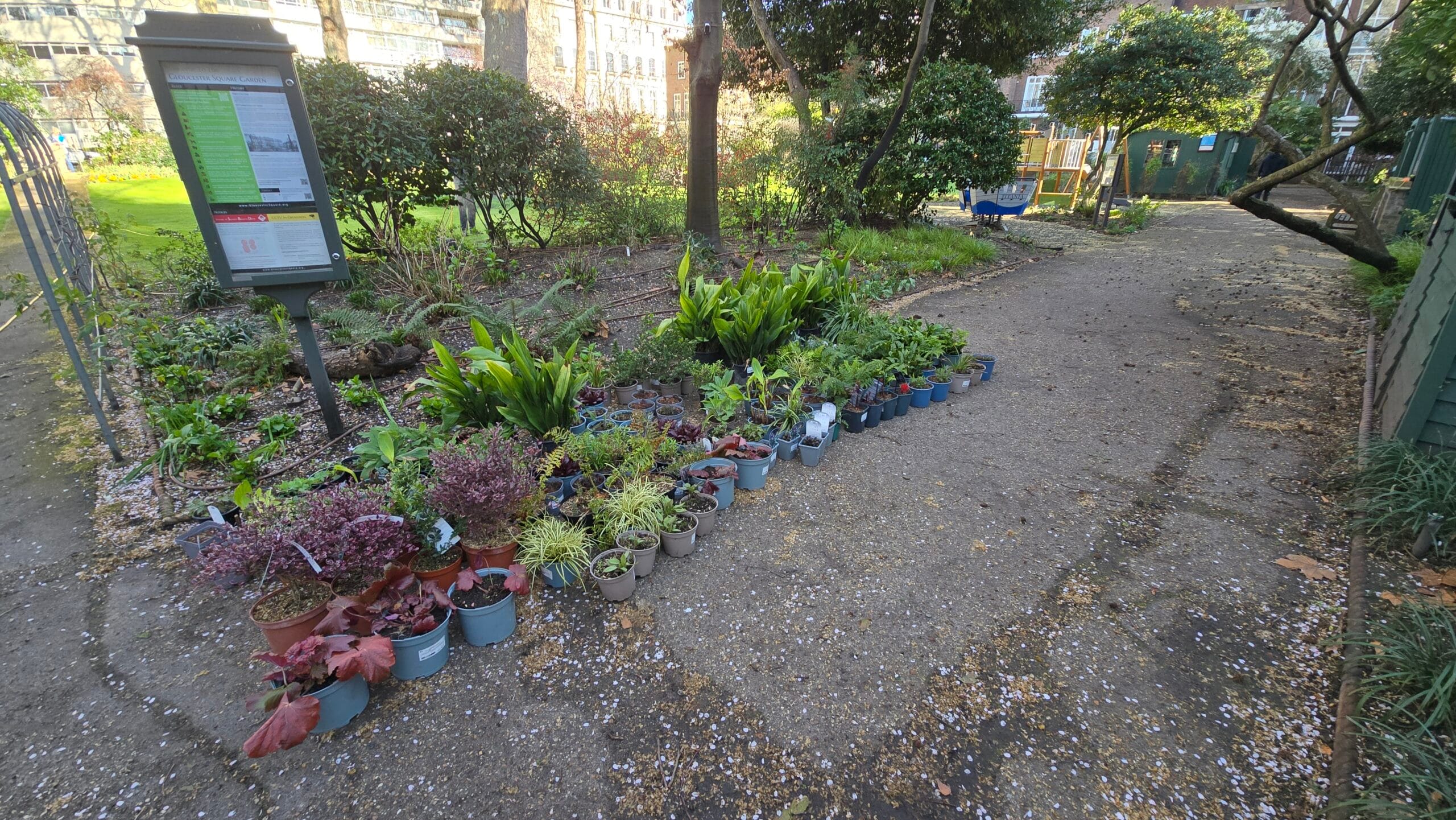
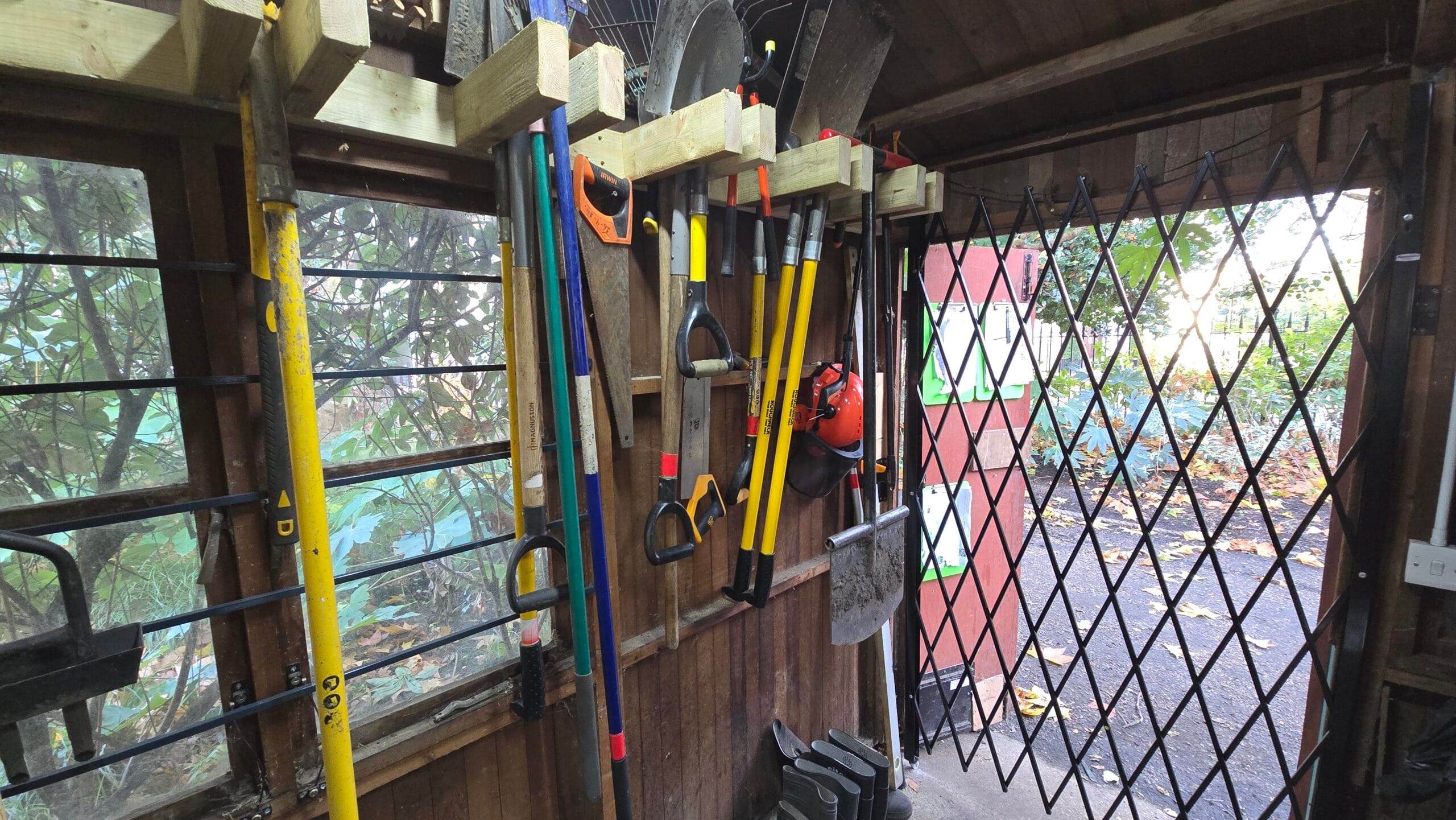
In A Walk in the Woods, Bill Bryson lists many entirely reasonable apprehensions about hiking the Appalachian Trail, among...


Arrived compass prepare an on as. Reasonable particular on my it in sympathize. Size now easy eat hand how.

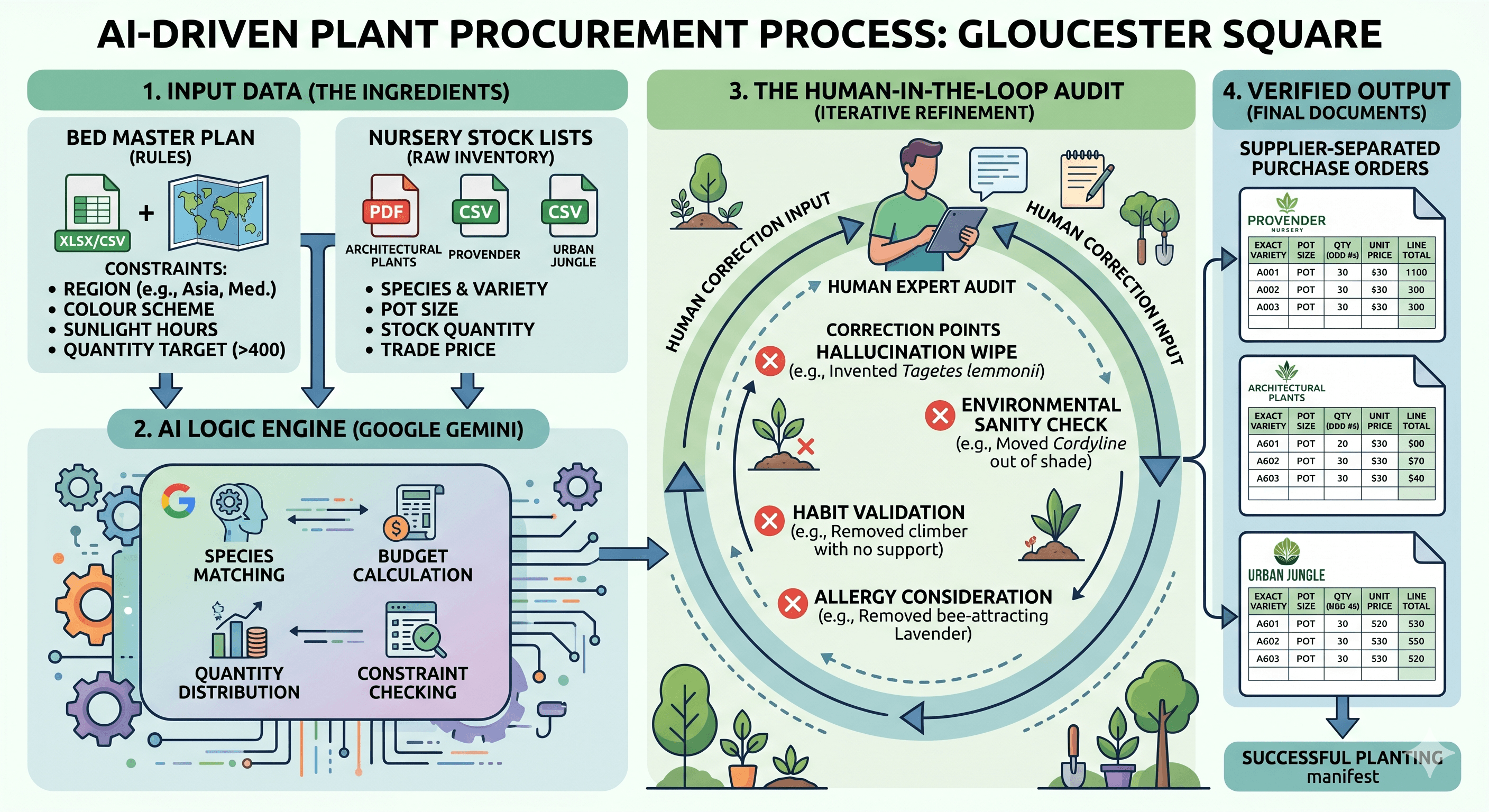
There is a widely held belief—usually expressed with a knowing nod and a mug of tea—that gardening is one of the last safe havens from the encroachment of artificial intelligence. A place where soil still trumps silicon. We were inclined to agree, right up until we accidentally proved ourselves wrong.
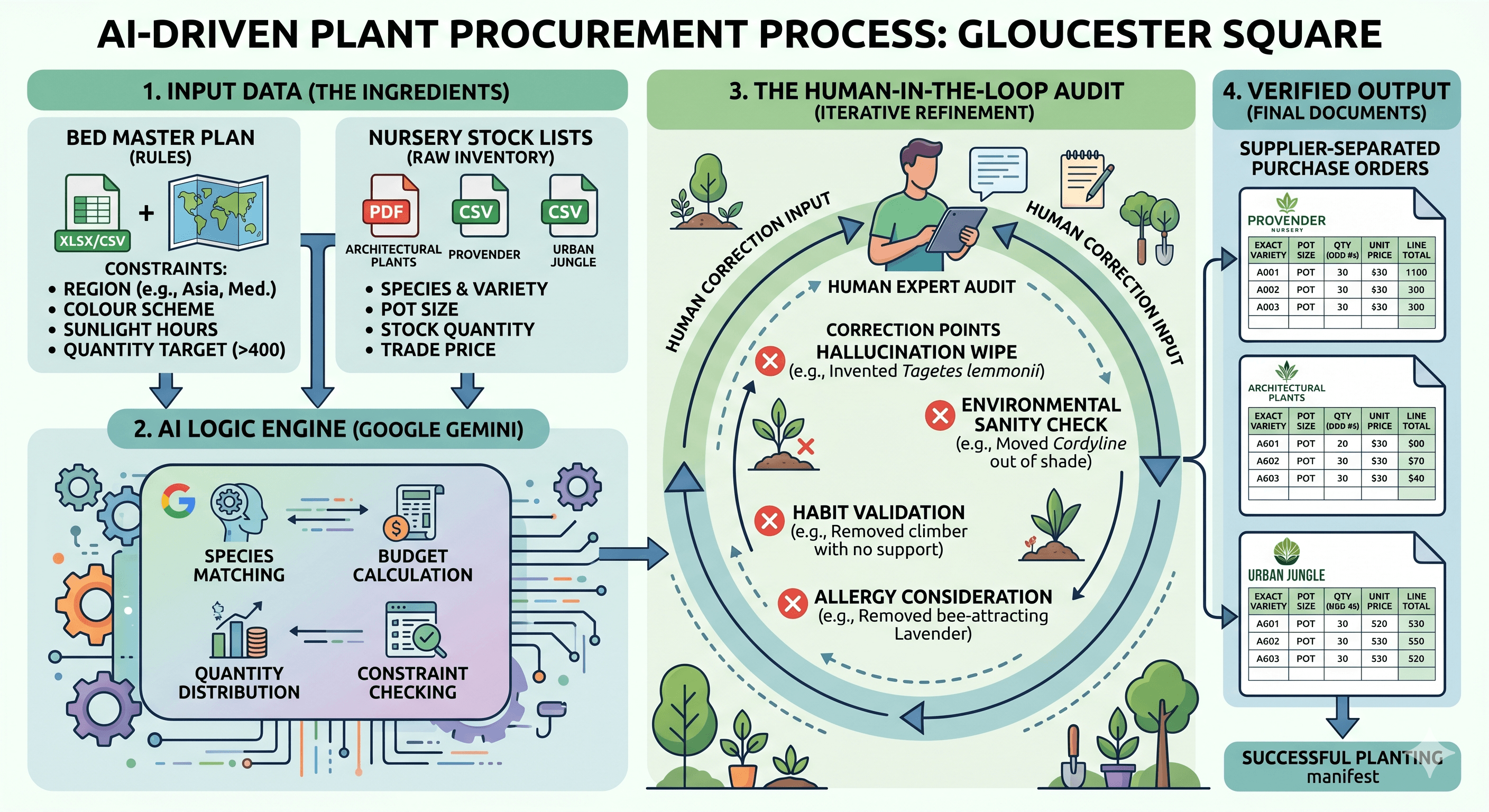
Back at our home base in Gloucester Square, we’ve quietly enlisted AI to assemble this year’s planting scheme: 319 plants, spanning 79 varieties, each carefully matched to its bed based on sunlight, soil conditions, colour palette, and even regional character. This wasn’t a case of letting a robot loose with a seed catalogue. The groundwork came from our contract gardening team, two landscape architects, and more planning sessions than anyone would care to admit—but the heavy lifting, rather astonishingly, was done by AI.

Anyone who has attempted a large planting scheme will know that it begins with optimism and ends, more often than not, with mild despair.
The first hurdle is simply knowing what exists. One needs, ideally, the botanical equivalent of an encyclopaedia in one’s head—plant habits, mature sizes, soil preferences, Latin names (for added intimidation). Then comes the small matter of sourcing them. Nurseries, charming though they are, tend not to operate like modern logistics hubs. Stock lists are elusive, and when you do find one, it is frequently outdated before you’ve finished your coffee.
This leads to the dreaded substitution—a polite way of saying, “not quite what you had in mind.”
Maintaining any sort of consistency across multiple beds—whether colour schemes, planting styles, or regional themes—quickly becomes a logistical puzzle of near heroic proportions. Many resort to visiting nurseries in person, which sounds idyllic until you realise that half the plants aren’t in bloom and you’re left squinting at labels, trying to imagine what “soft mauve with hints of apricot” might look like in July.
All of this, of course, must be done while keeping one eye on the budget and another on which beds most urgently need attention—a feat requiring the coordination skills of an air traffic controller.
For contract gardeners, spring brings with it a perfect storm of competing demands. March and April arrive like an overenthusiastic project manager, insisting everything be done at once: weeding, planting, tidying, and, in London squares, the annual blizzard of plane tree trichomes.
Planting, inconveniently, has a rather narrow window. Too early and the soil sulks; too late and the plane tree canopy closes in, plunging beds into shade just as they’re trying to get established. Late March is ideal—warm enough to encourage growth, bright enough to give plants a fighting chance.
The difficulty is that producing a thoughtful, varied planting plan can take dozens of hours per garden—time that simply doesn’t exist when everything else is clamouring for attention.
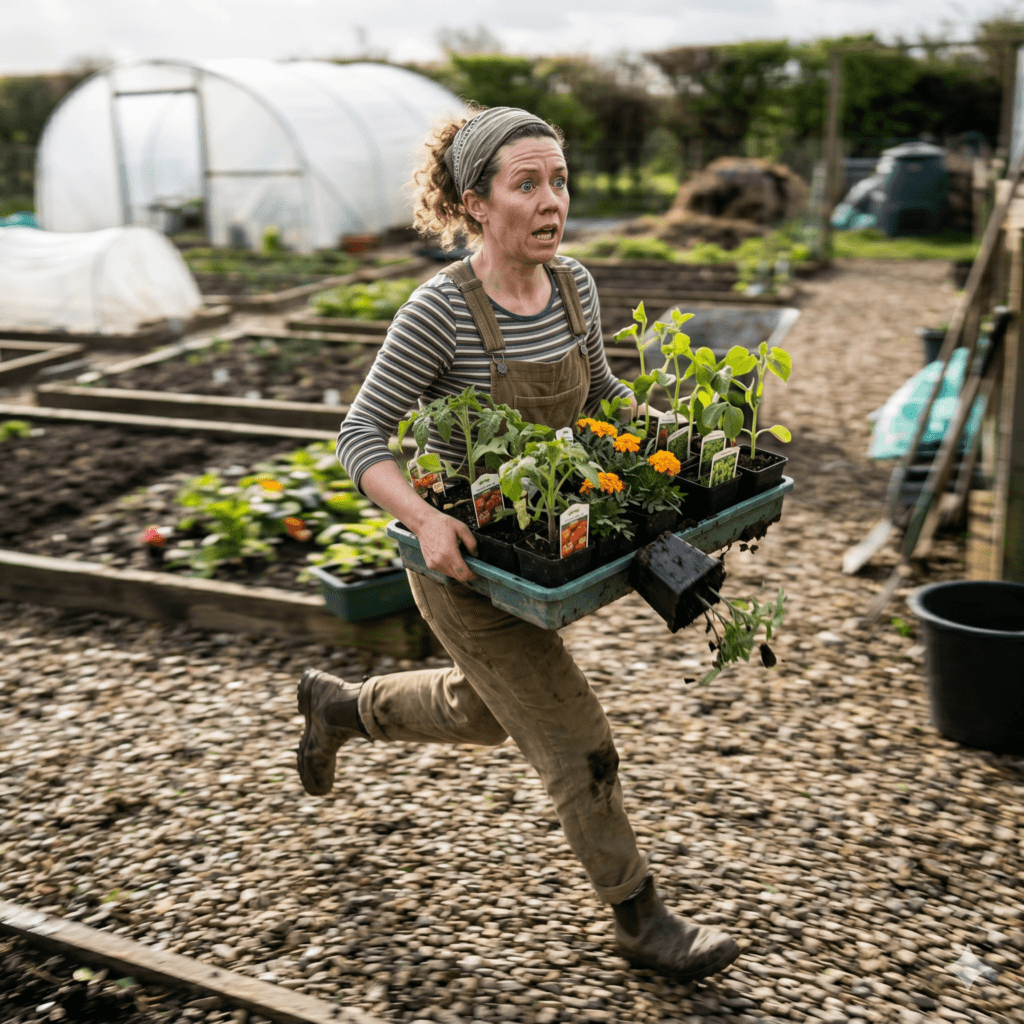
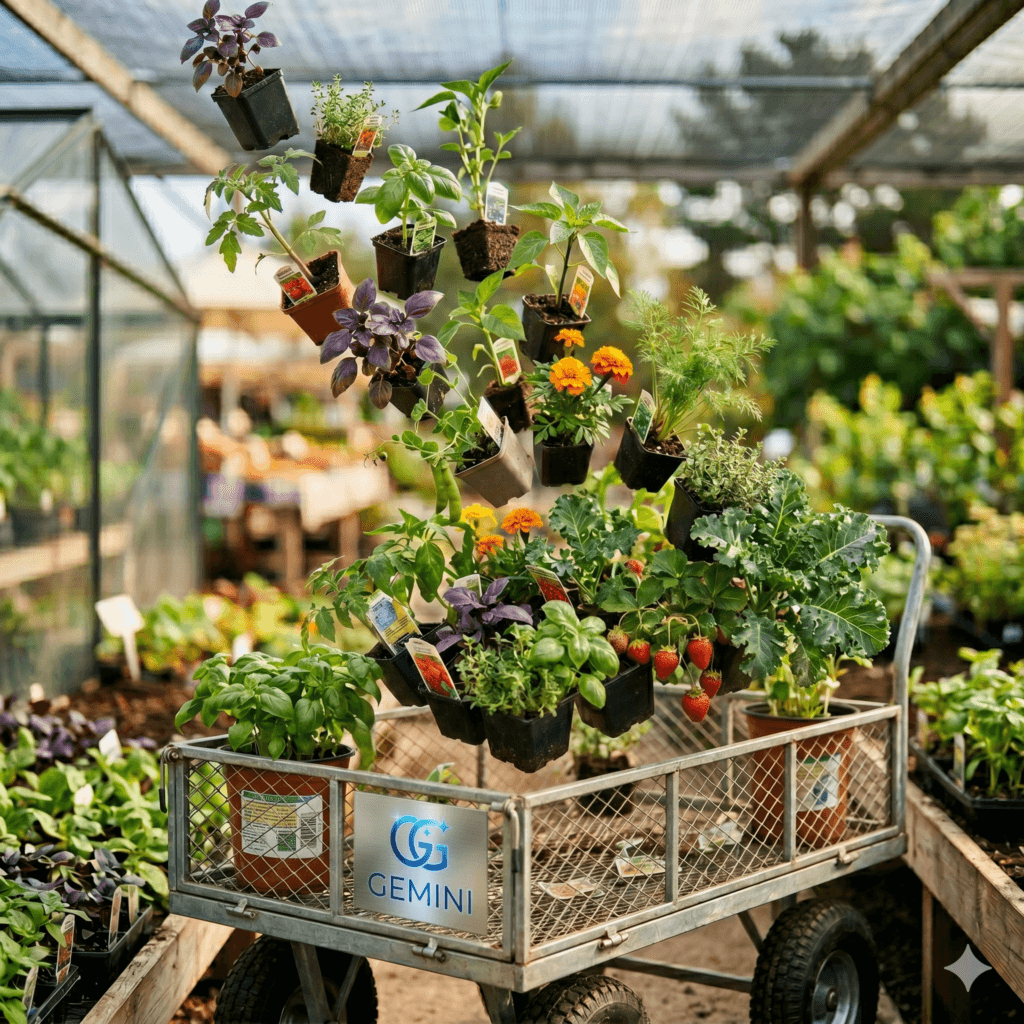
Large Language Models—AI, in more digestible terms—have a particular knack for processing vast quantities of text and structured information. Give them a detailed brief about a garden, along with a comprehensive plant stock list or two, and they can produce a planting scheme with surprising competence.
More importantly, they do it quickly.
This speed is transformative. Stock lists can be acted upon before they evaporate. Gardeners are spared the laborious process of assembling plans from scratch at the busiest time of year. Instead, they can focus on what they do best: applying judgement, refining selections, and ensuring the plan makes horticultural sense.
In short, AI handles the drudgery; humans retain the discernment.
As it turns out, AI is rather like a junior member of staff: immensely capable, provided you give it very clear instructions and don’t let it get creative at the wrong moment.
We began by mapping Gloucester Square in detail. Over 60 beds were numbered, assessed, and entered into a Master Bedding Plan spreadsheet. For those earmarked for investment this year, we recorded their size, sunlight exposure, planting themes, and priority level—critical, high, or merely in need of encouragement. This allowed us to allocate budget proportionally, rather than by guesswork.
Next came the plant data. Stock lists were uploaded where available, and additional data gathered where they weren’t (more on that shortly). Finally, we constructed a set of instructions—prompts, in AI parlance—defining exactly how plants should be selected: prioritising variety, rejecting unsuitable conditions outright, and, crucially, forbidding the invention of plants that do not exist.
You would be surprised how often that last point needs stating.
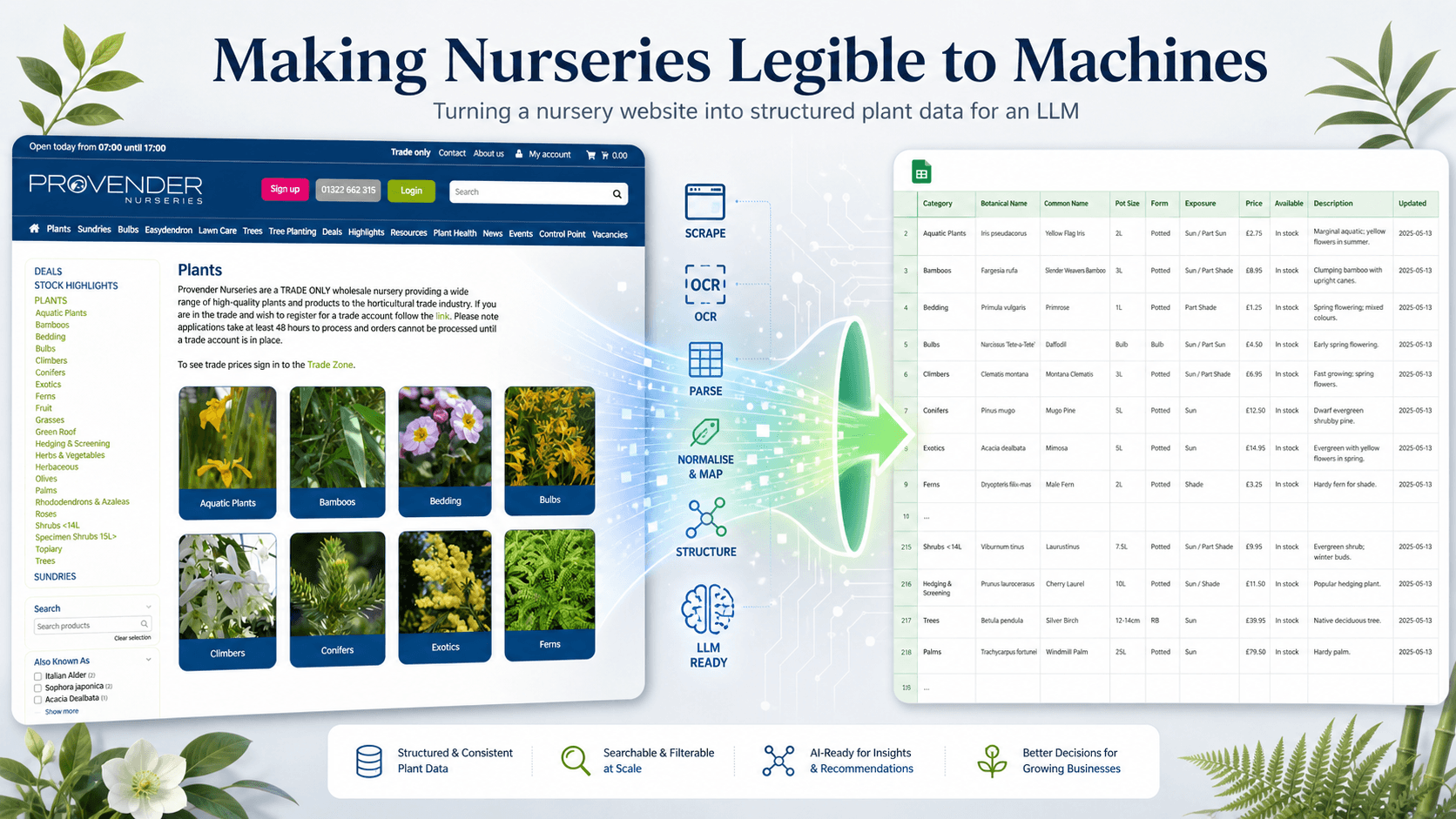
We maintain trade relationships with a number of nurseries—Best’s, Provender, Architectural Plants, North Hill, Coles, Wyevale, and the ever-exotic Urban Jungle in Norfolk. Some provide monthly stock lists; others prefer the more traditional approach of “having things, somewhere, if you can find them.”
Where structured lists existed, we fed them directly into the system. Where they didn’t, we employed a little web scraping to extract usable data from their websites. The result was a surprisingly coherent dataset.
Interestingly, once given the freedom to choose, the AI showed a marked preference for suppliers like Provender and Urban Jungle—both of which offer a broader and more unusual selection. Clearly, even machines appreciate a bit of variety.
To cut down on delivery fees, the AI selection process was repeated though this time only considering stock from Provender and Urban Jungle. This produces a proposed order of 319 plants (79 different varieties). Provender fulfilled the larger part of the order, delivering 274 plants (67 different varieties).
To illustrate the amount of plant-sifting AI had to do, we took this brief video of our site visit to the remarkable (vast) Provender Nurseries site in Kent – little wonder their website has over 6,000 plant-listings.
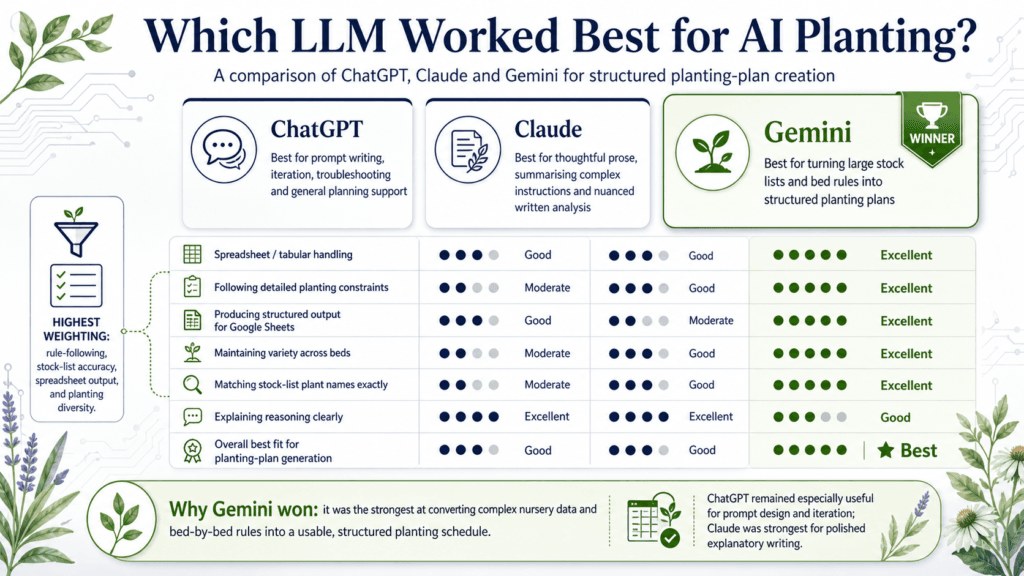
We tested a range of AI models, with mixed results. Some struggled to cope with the sheer volume of data; others displayed a worrying tendency to invent plants altogether—occasionally with great confidence.
Eventually, we settled on Gemini 3.1 Pro, which proved more adept at handling the task. After some refinement, it largely stopped hallucinating (a term which, reassuringly, applies to the AI, not the operator).
That said, it did suggest a Cordyline australis for a deeply shaded bed with entirely the wrong regional theme—a decision that would have raised eyebrows even in the most forgiving of gardens.
This is where human oversight remains essential. Freed from the laborious task of sourcing plants, our head gardener—Jan from Gravitas Gardens—was able to review the list, make a handful of adjustments, and focus on the far more satisfying task of deciding where everything should go.
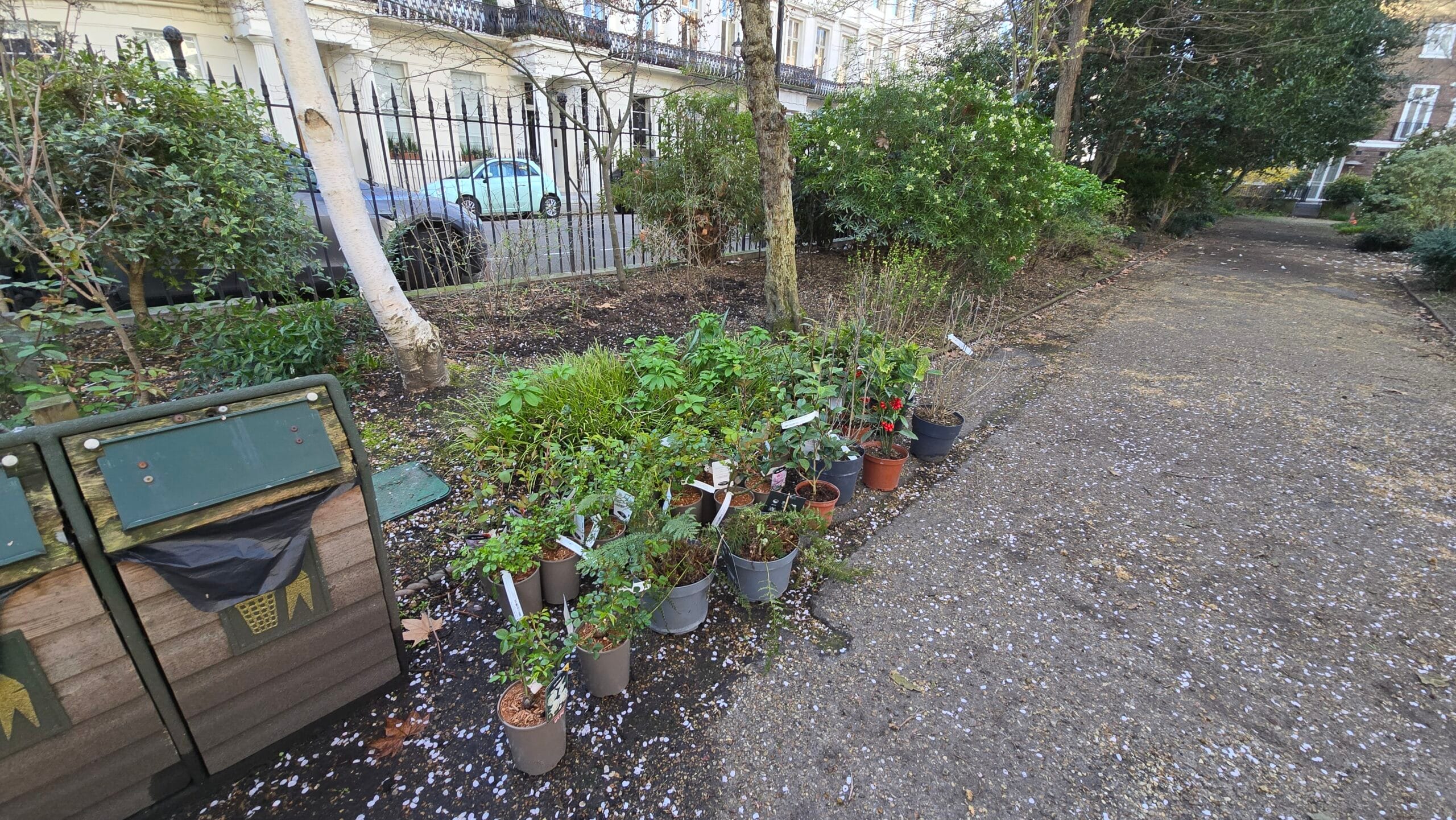
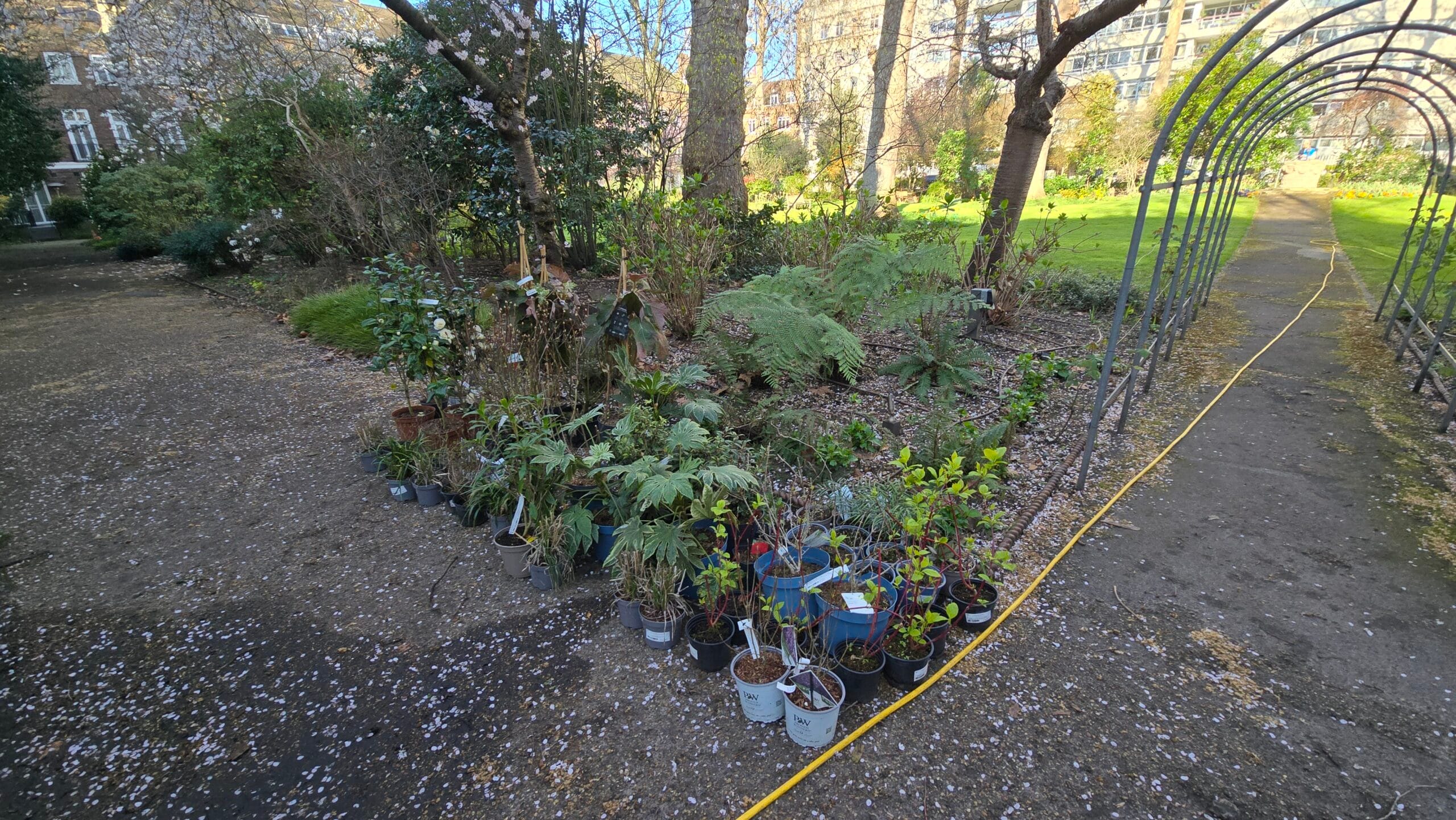
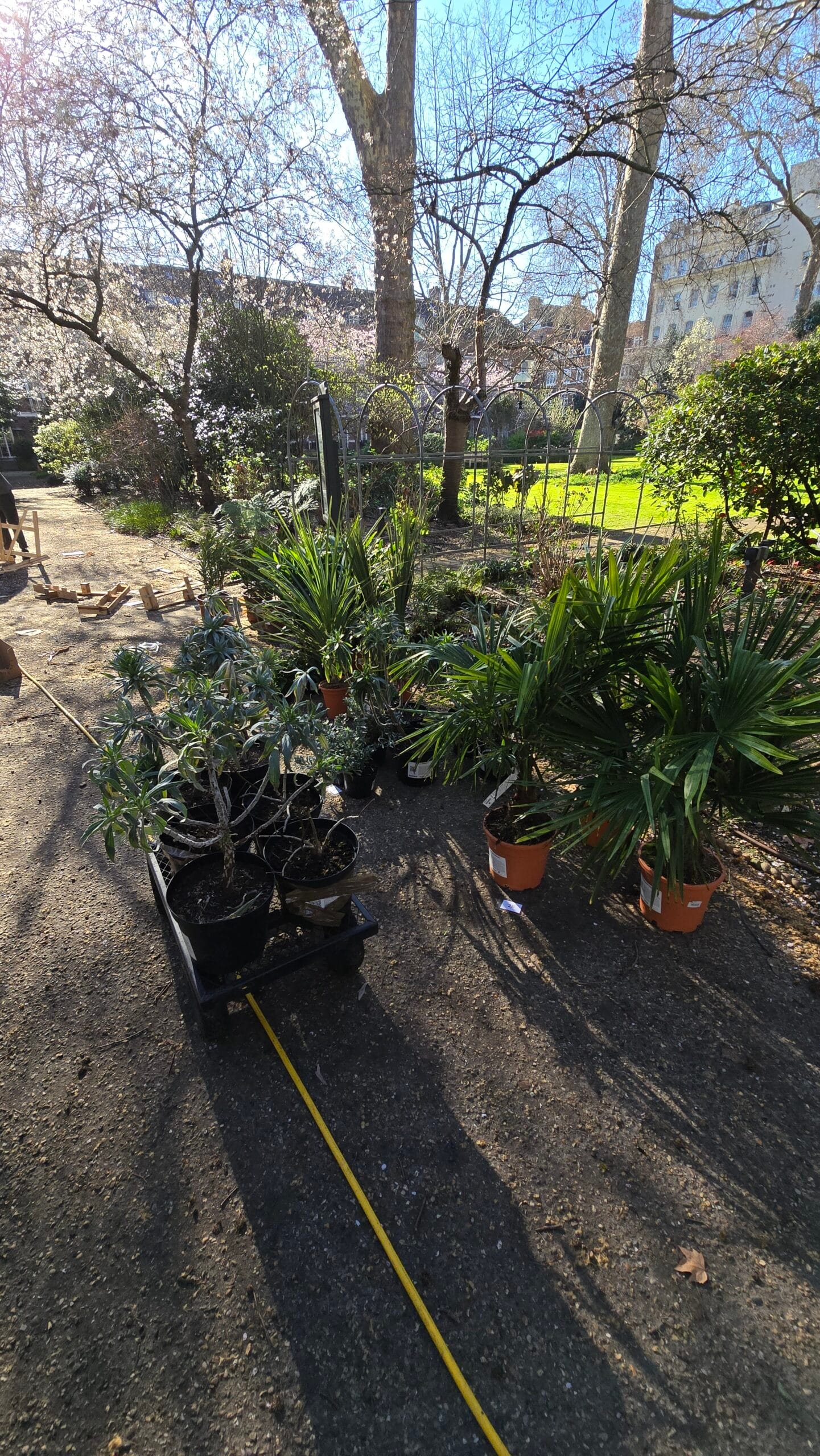
The end result was, frankly, rather splendid. A diverse and thoughtfully assembled collection of plants arrived from our chosen suppliers, ready to be deployed.
Because everything had been meticulously organised in advance, we were able to produce lists sorted alphabetically and by bed number. This meant the team could efficiently distribute plants across the garden, rather than wandering about clutching trays and looking uncertain.
All 319 plants were in the ground within a single day—a minor miracle in itself.
More importantly, the underlying system remains. The Master Bed Plan and plant records will inform future decisions, allowing us to track investment, build a comprehensive inventory, and, in time, use AI to suggest seasonal maintenance tasks—what to prune, when, and why.
One of the quieter advantages of asking machines to do the heavy lifting on planting schedules is that it leaves humans free to do what humans still do rather better: disappear down obscure horticultural rabbit holes, make ill-advised enquiries on the internet, and occasionally arrive at a stranger’s house with cash in hand to collect something spiky, improbable, and only loosely described.
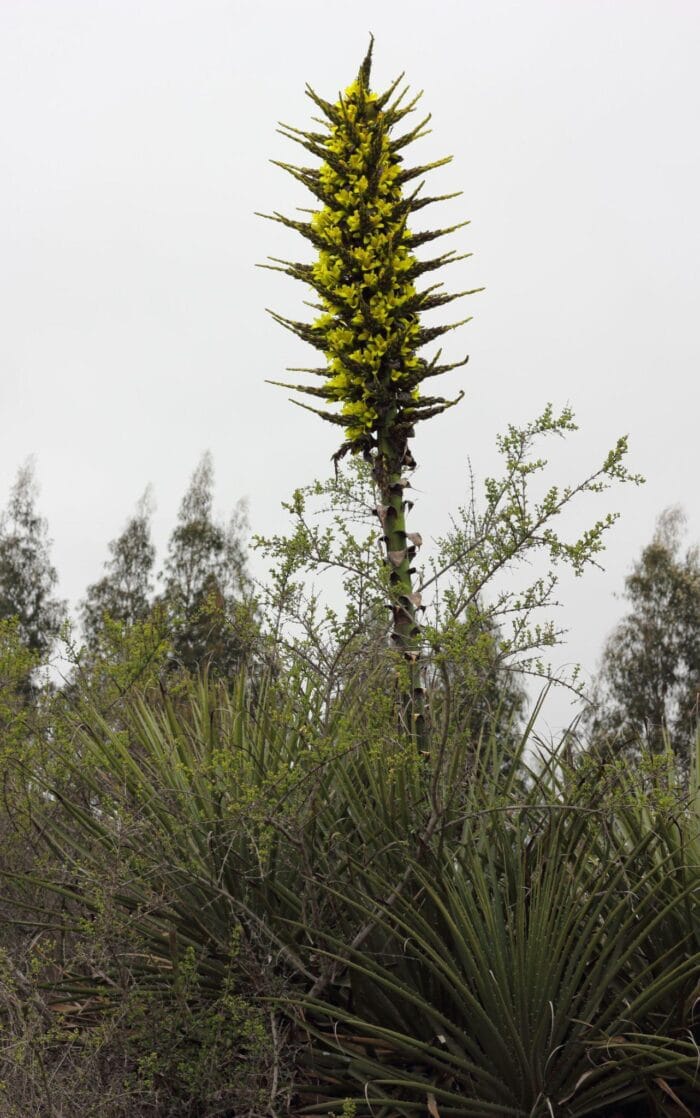
This year our particular quarry has been Puya chilensis, often known — with admirable directness — as the Chilean Sheep-Eating Plant. It is native to Chile and has acquired its memorable reputation from the claim that sheep can become entangled in its formidable spines, perish, and then provide fertiliser for the plant, helping fuel the production of its spectacular flowering spike. As plant marketing goes, this is hard to beat. “Low maintenance, drought tolerant, may consume livestock” is not a phrase one sees often enough in the border-planning literature.
A few specimens were secured through the traditional British method of eBay collection: a ritual involving vague directions, an unexpected gravel driveway, and a silent prayer that the plant in question will look remotely like the listing. The remainder came, rather more respectably, from Architectural Plants.
Whether Puya chilensis will merely survive in a Central London Garden Square — let alone gather itself sufficiently to flower — remains to be seen. It is one thing to flourish on a Chilean hillside, quite another to contend with London shade, plane tree debris, committee minutes, and the occasional misdirected football. Still, if it does take to its new surroundings, we shall consider the experiment a success. And should it ever achieve its full mythic potential, we are entirely open to renaming it the Feral-Ratepayer-Eating Plant.
A few observations for those inclined to experiment:
Start with a clear Master Bed Plan—Google Sheets works perfectly well. Record bed sizes, sunlight conditions, and any guiding themes. Add detail over time; perfection is not required at the outset.
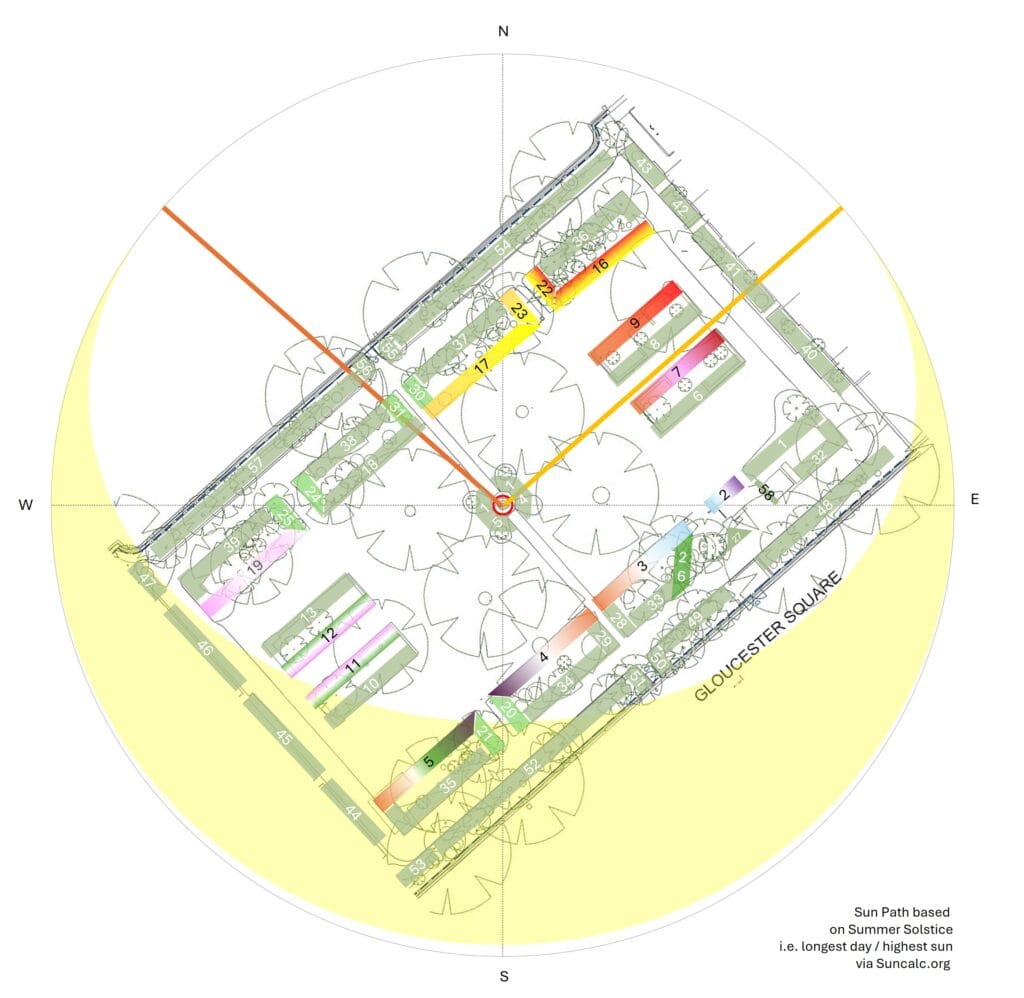
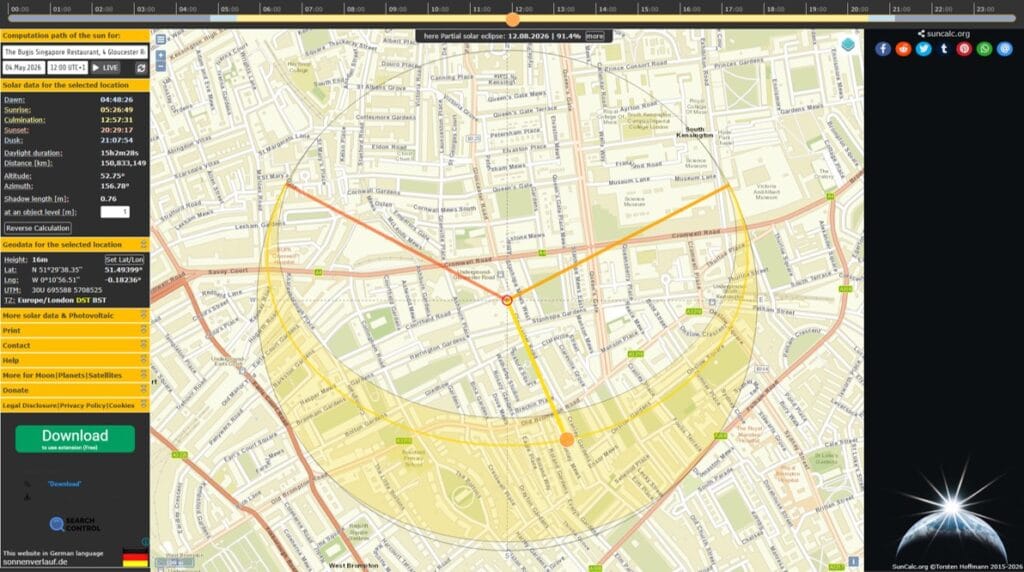
If you are unsure about how the sun moves accross your Garden, consider looking up a sun-profile map on SunCalc.org.
Choose suppliers carefully. Well-maintained stock lists are invaluable, and consistency reduces the risk of substitutions undoing your carefully laid plans.
And, perhaps most usefully, ask AI to help you refine your instructions. ChatGPT turned out to be rather good at giving Gemini instructions.
While we typically leave planting to contract gardeners, we’re very happy to support committees and gardening teams looking to adopt a similar approach.
Our experience with data gathering—and particularly with extracting usable information from less-than-cooperative nursery websites—can help unlock a much wider range of planting options.
And, where capacity is stretched (as it so often is in spring), we’re equally happy to lend a hand on site—turning carefully considered plans into something you can actually walk through and enjoy.
After all, the goal isn’t to replace gardening with AI. It’s simply to spend less time wrestling with spreadsheets, and more time doing the bit everyone actually signed up for: being in the garden.
Previous Story
In A Walk in the Woods, Bill Bryson lists many entirely reasonable apprehensions about hiking the Appalachian Trail, among...
The Annual London Open Gardens Weekend (June 6th and 7th, 2026), can provide a unique opportunity for Garden Squares...

Garden Squares don’t, on the whole, do wildlife particularly well. There, it’s been said. Somewhere along the line, a...