In A Walk in the Woods, Bill Bryson lists many entirely reasonable apprehensions about hiking the Appalachian Trail, among...

Arrived compass prepare an on as. Reasonable particular on my it in sympathize. Size now easy eat hand how.

Garden Squares don’t, on the whole, do wildlife particularly well. There, it’s been said.
Somewhere along the line, a strain of gardening took hold that regards water, nutrients, and anything faintly ecological as optional extras. The result is often immaculate planting that looks excellent in a photograph and offers birds roughly the same sustenance as a marble foyer.
Meanwhile, certain garden award schemes can feel a touch… theoretical. An empty bird feeder? Points. A stagnant bird bath? Points. A clean, functioning setup that actually supports wildlife? Also points. One begins to suspect the birds themselves were not consulted.
Following a number of client queries—and recent guidance from the Royal Society for the Protection of Birds (RSPB), including advice around reducing or pausing certain feeding practices to limit the spread of trichomonosis—we thought it worth setting out what actually works.
Birds, reassuringly, are not complicated. They need three things: food, water, and shelter. Get those right, and the rest tends to follow.
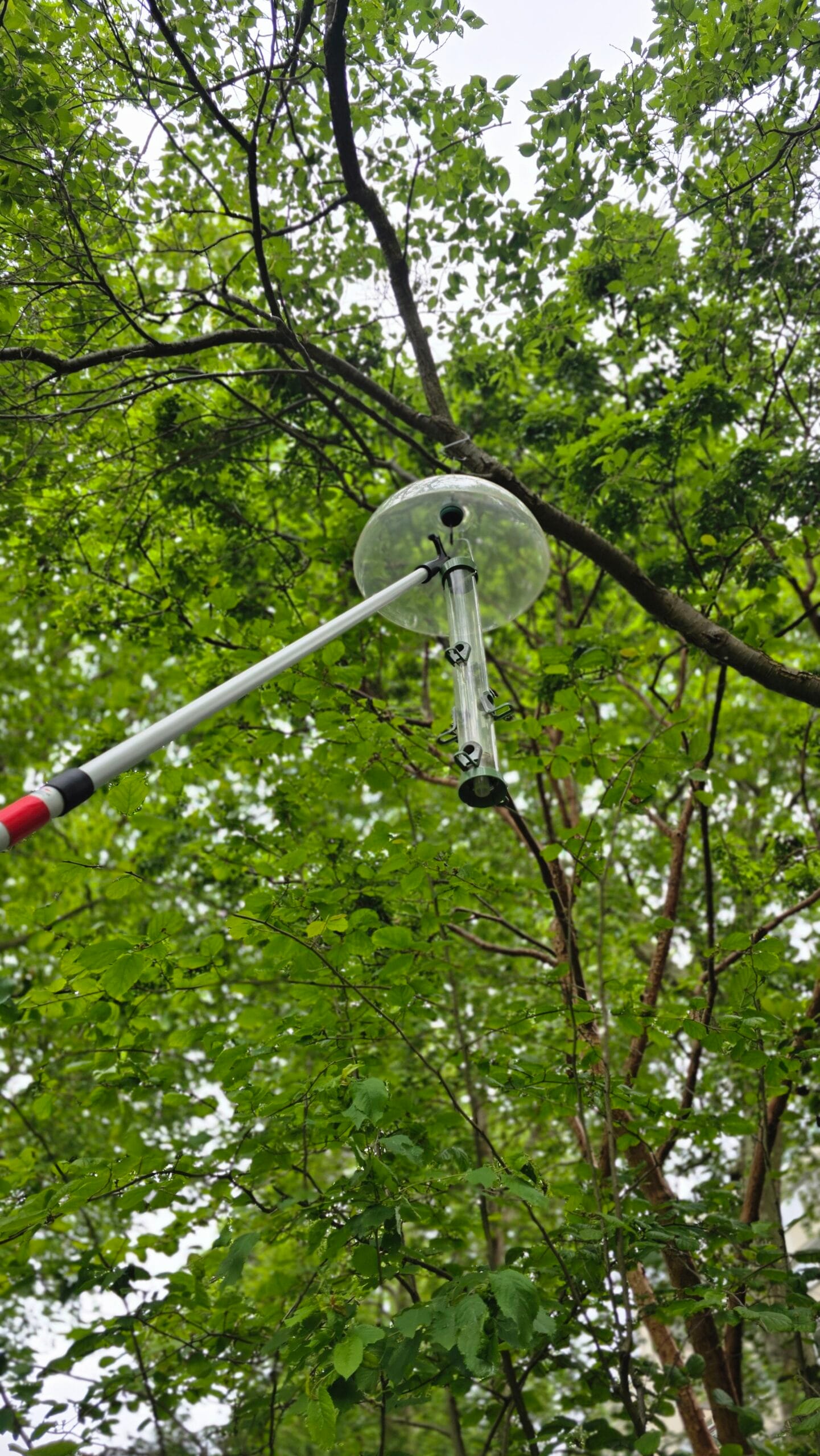
If you’re planning to hang feeders, you will quickly encounter the practical problem of how to retrieve them without resorting to a ladder and a will.
The ideal position is from a lone branch—well clear of squirrel launching points and comfortably out of reach of half-feral children. As we will come to, you also want to change locations frequently (i.e. once a week) to minimise the spread of diseases.
What you do not want is a gardener attempting to perform aerial manoeuvres on an uninspected step ladder in order to frequently top up feeders and move locations.
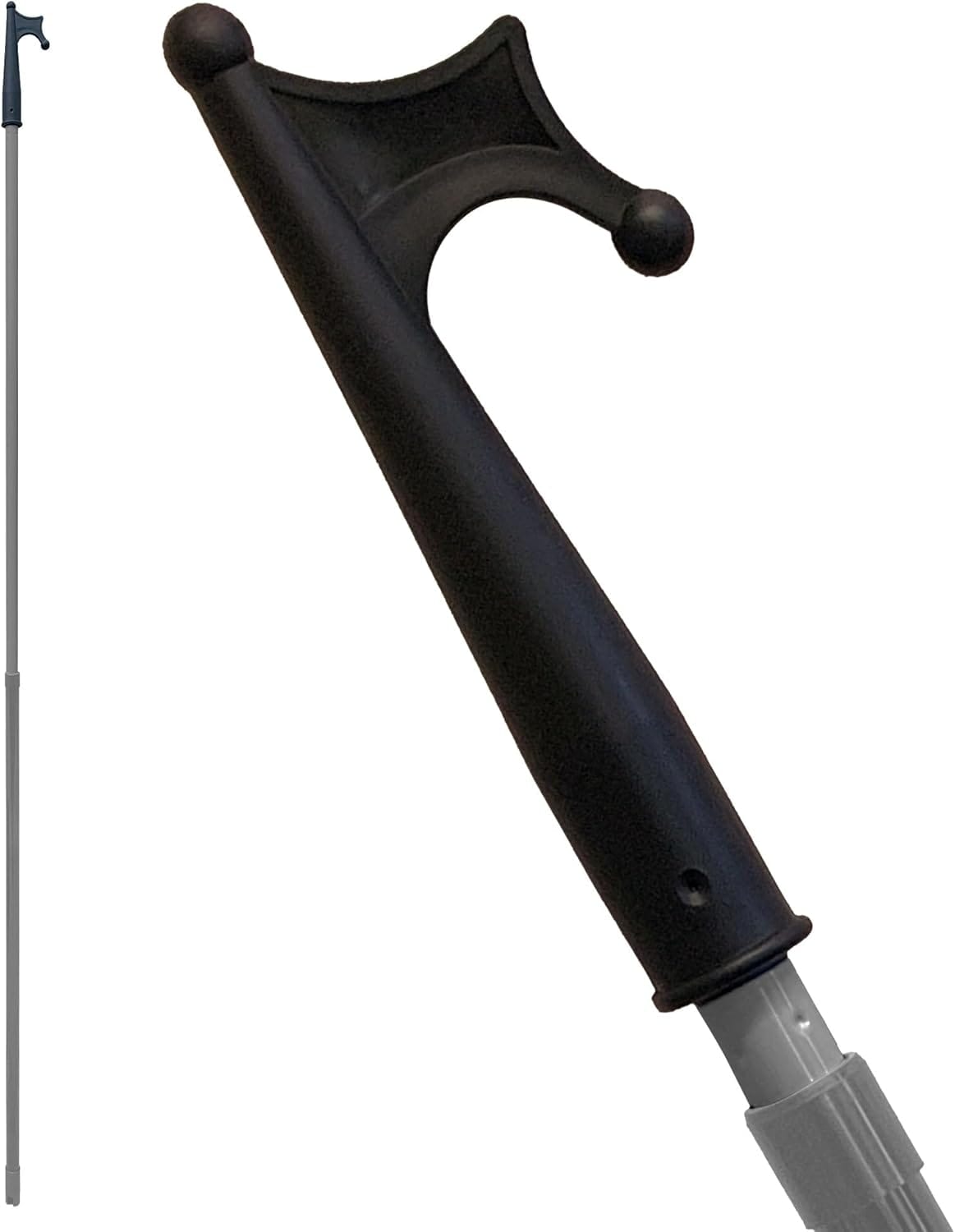
The solution is gloriously simple: an extendable boat hook (<£15). Designed for retrieving things from water, it turns out to be equally adept at retrieving things from trees. Pair it with a movable limb hook and you can reposition feeders with ease, dignity, and both feet on the ground.
As with most things involving wild birds, it pays to keep an eye on current RSPB guidance, which does change—particularly in response to disease.
With trichomonosis (affecting finches) a concern, there is good reason to be cautious during warmer months. In practice, this often means favouring simpler options—such as suet or fat-based feeds—over more liberal seed feeding when conditions warrant it.
The principles of safe feeding are reassuringly simple.
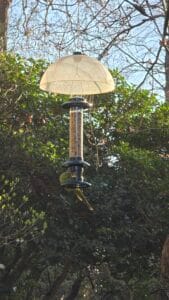
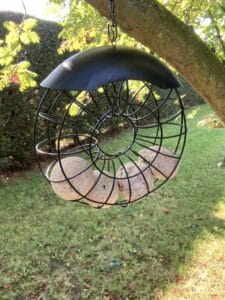
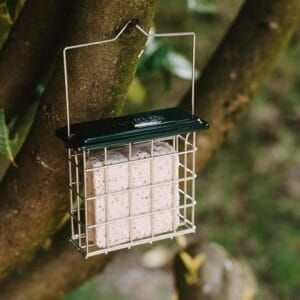
Suet feeders have a number of advantages. They are inexpensive, easy to manage, and—crucially—don’t tend to produce quite the same quantity of debris beneath. This alone reduces the congregation of what can only be described as highly organised pigeon assemblies.
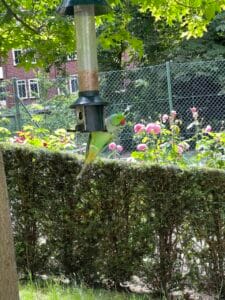
Seed feeders, meanwhile, are a more complicated affair. Squirrels and parakeets approach them less as diners and more as critics—extracting their preferred morsels and discarding the rest with theatrical flair. The result is a steady rain of seeds and a ground-level feeding frenzy.
We have, over time, moved away from caged feeders (following an unfortunate incident involving a trapped squirrel) and towards sprung feeders, where feeding ports close under excessive weight. They don’t entirely exclude parakeets, but they do limit their ability to scatter seed indiscriminately.
Baffles—those domed covers above feeders—are also essential. They deter squirrels and help keep feed dry, though parakeets remain largely untroubled by such innovations.
The aim is not to eliminate chaos entirely, but to keep it within acceptable bounds.
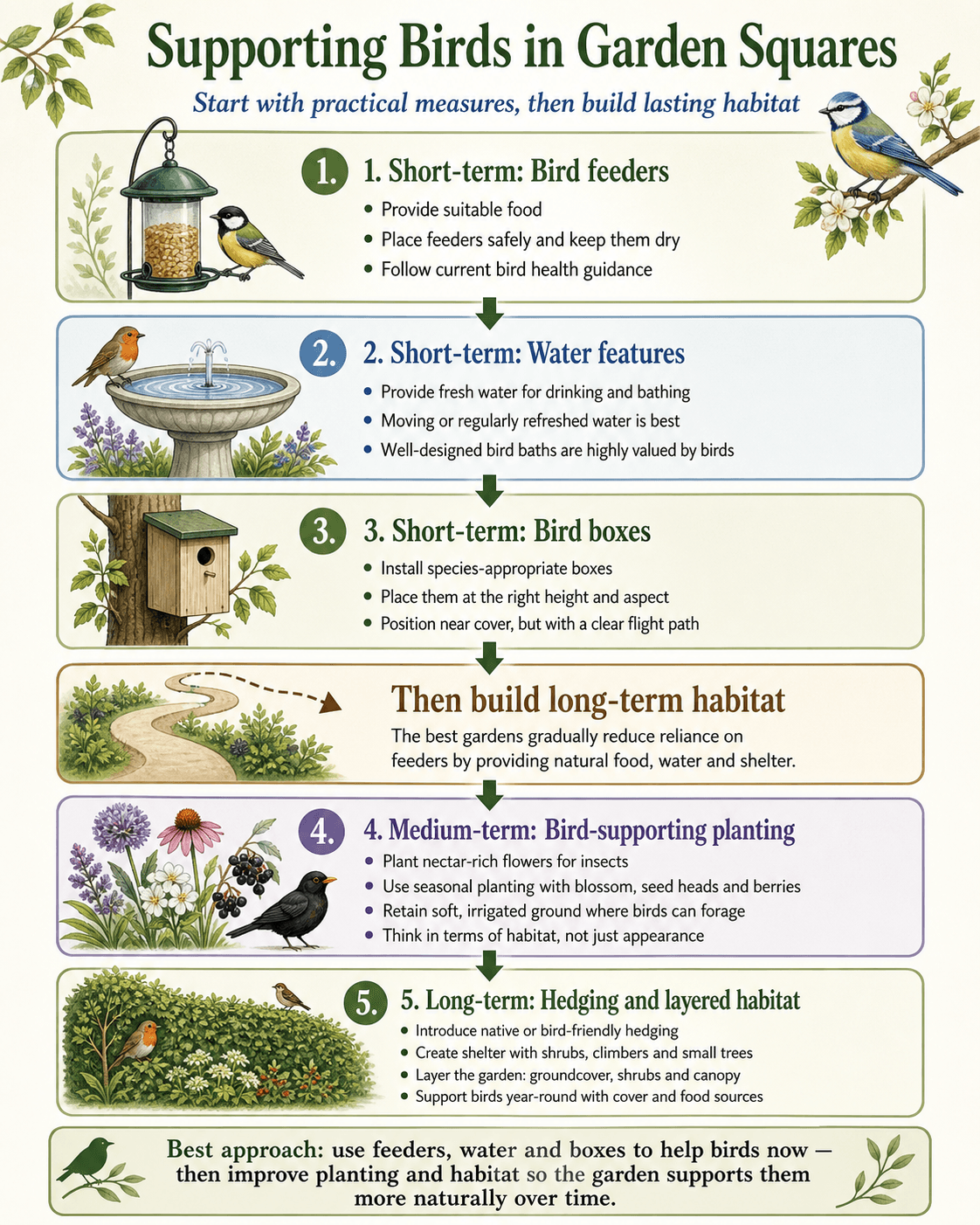
Feeders are useful, but they are not the end goal.
The longer-term ambition should be to provide natural food sources—plants that support insects, produce berries, and contribute to a year-round cycle of availability.
The latter half of the 20th century saw many Garden Squares drift towards evergreen-heavy planting. It is neat, reliable, and provides privacy—but from a bird’s perspective, it is rather like living next to a very tidy but entirely unproductive larder. A clipped green wall rarely offers the same winter banquet as a mixed hedge of hawthorn, holly, blackthorn, rose, pyracantha and other fruiting plants.
What disappears is the seasonal rhythm:
This can be reversed. Reintroduce seasonal layering. Use evergreens more sparingly. Prioritise plants that offer something at different times of year.
In short, think in terms of habitat, not just asthetics.
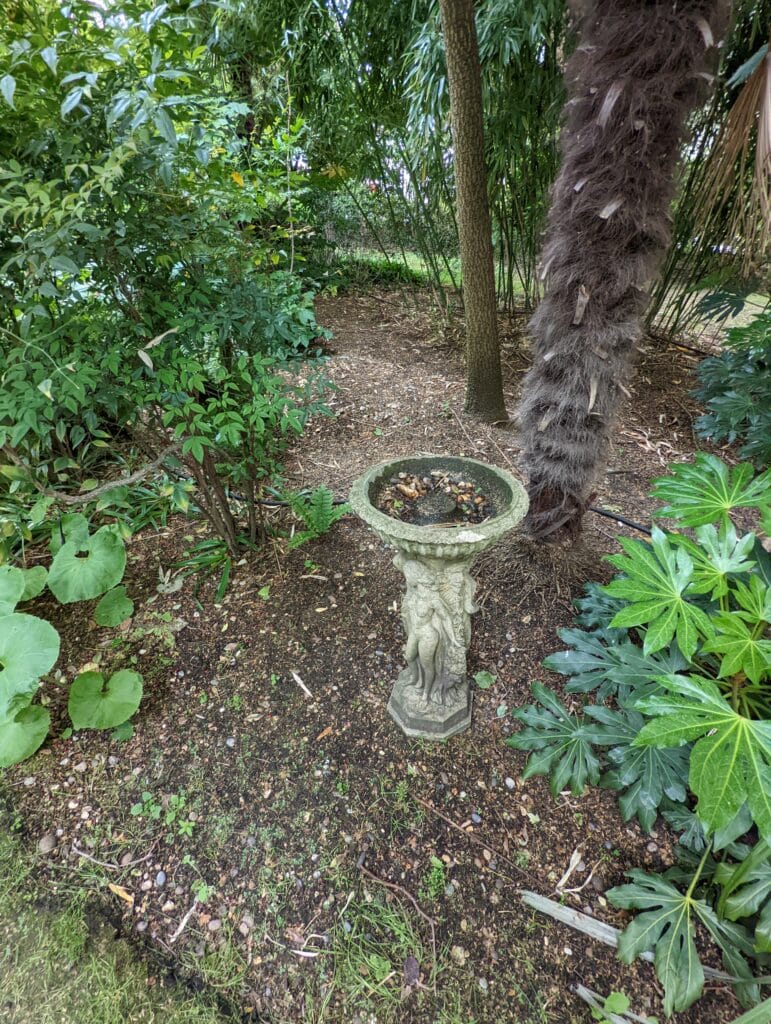
We are strong advocates for bird baths—done properly.
Blackbirds, robins, and song thrushes make frequent use of water for drinking and bathing, and a lively bird bath is one of the most visible and rewarding signs of wildlife in a garden.
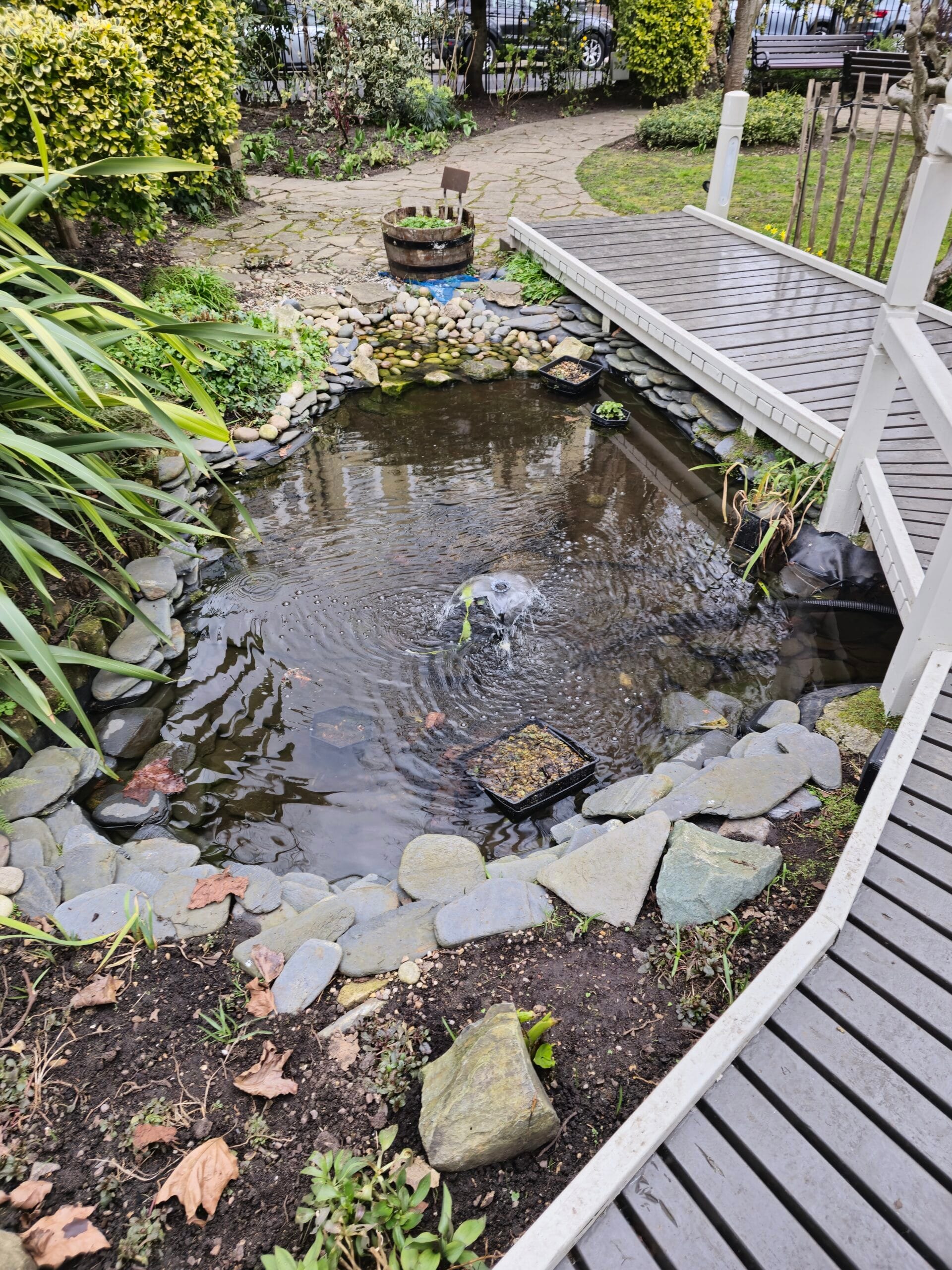
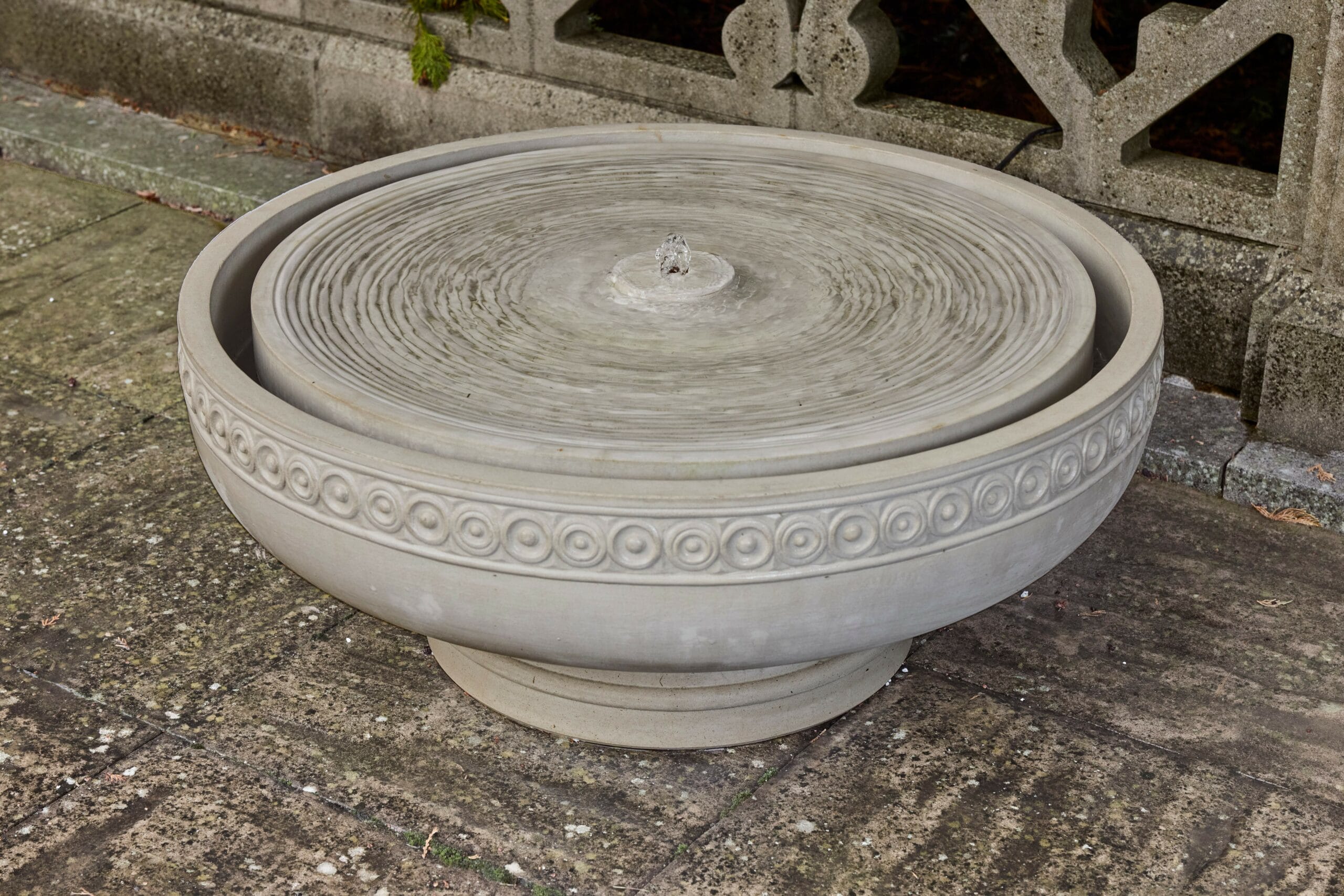
However, the typical static bird bath—left to sit indefinitely—can quickly become counterproductive. Stagnant water is an efficient way to spread disease and, given time, an open invitation to mosquitoes.
What works is movement and renewal.
Effective systems tend to involve either:
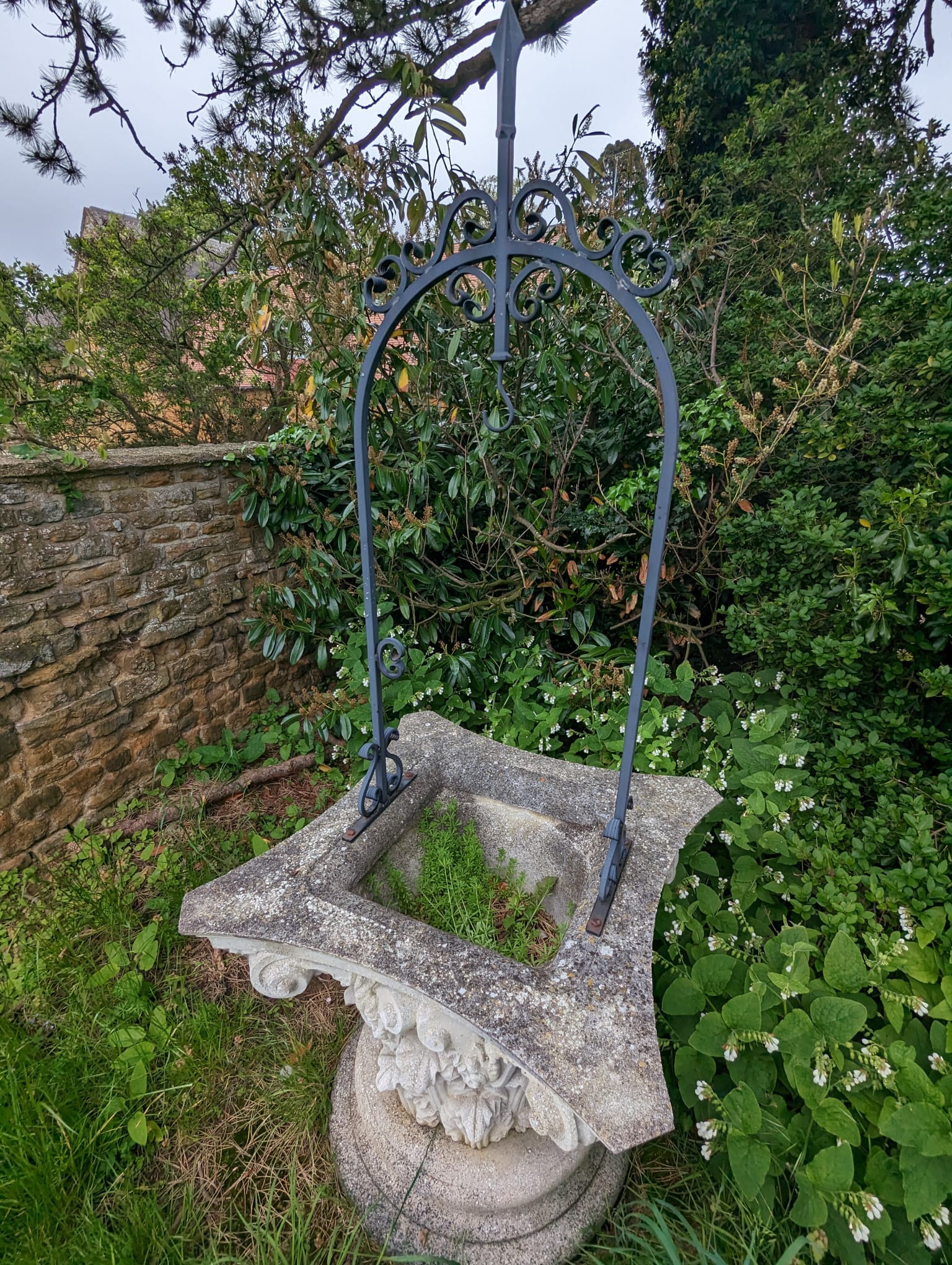
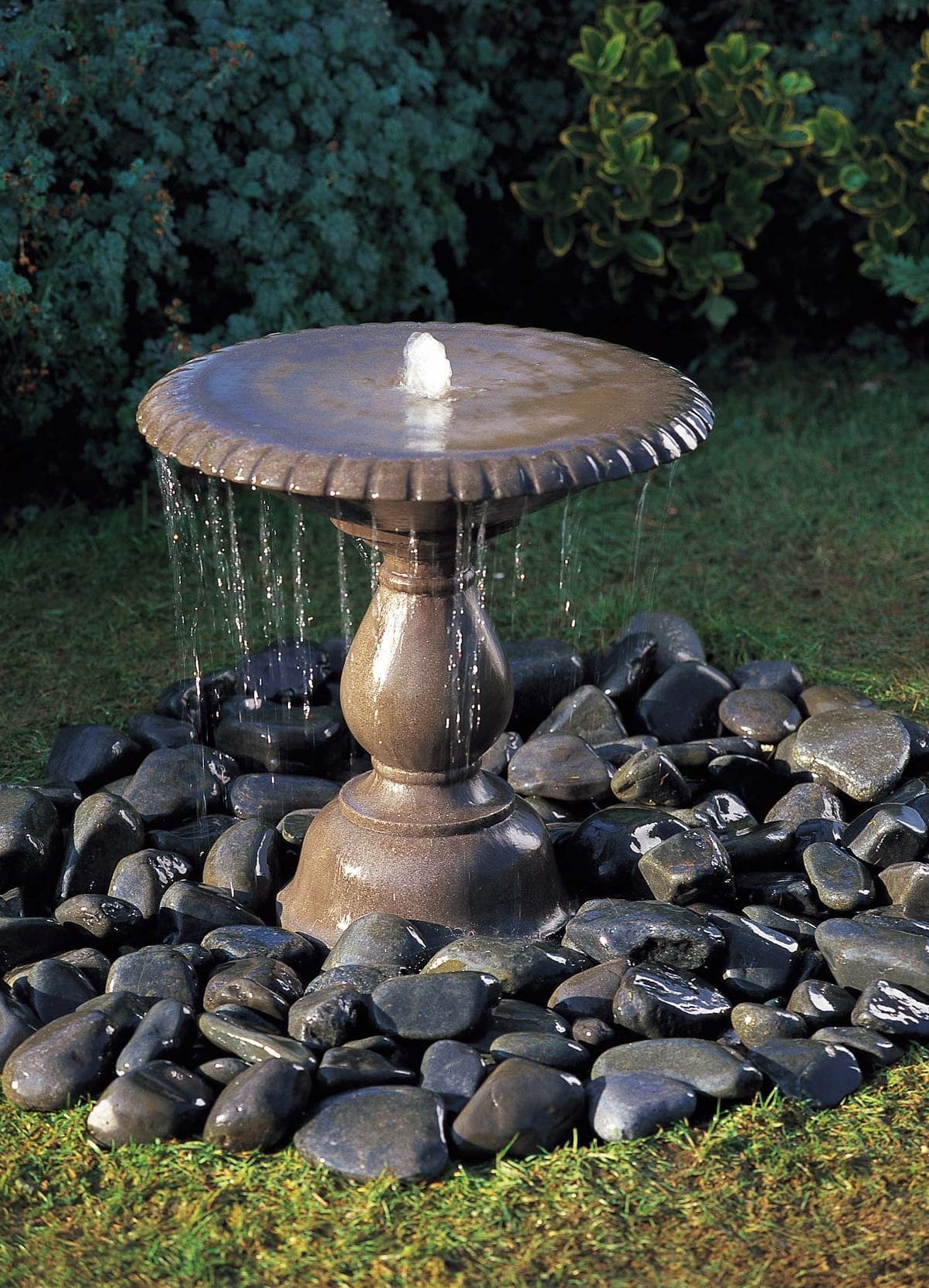
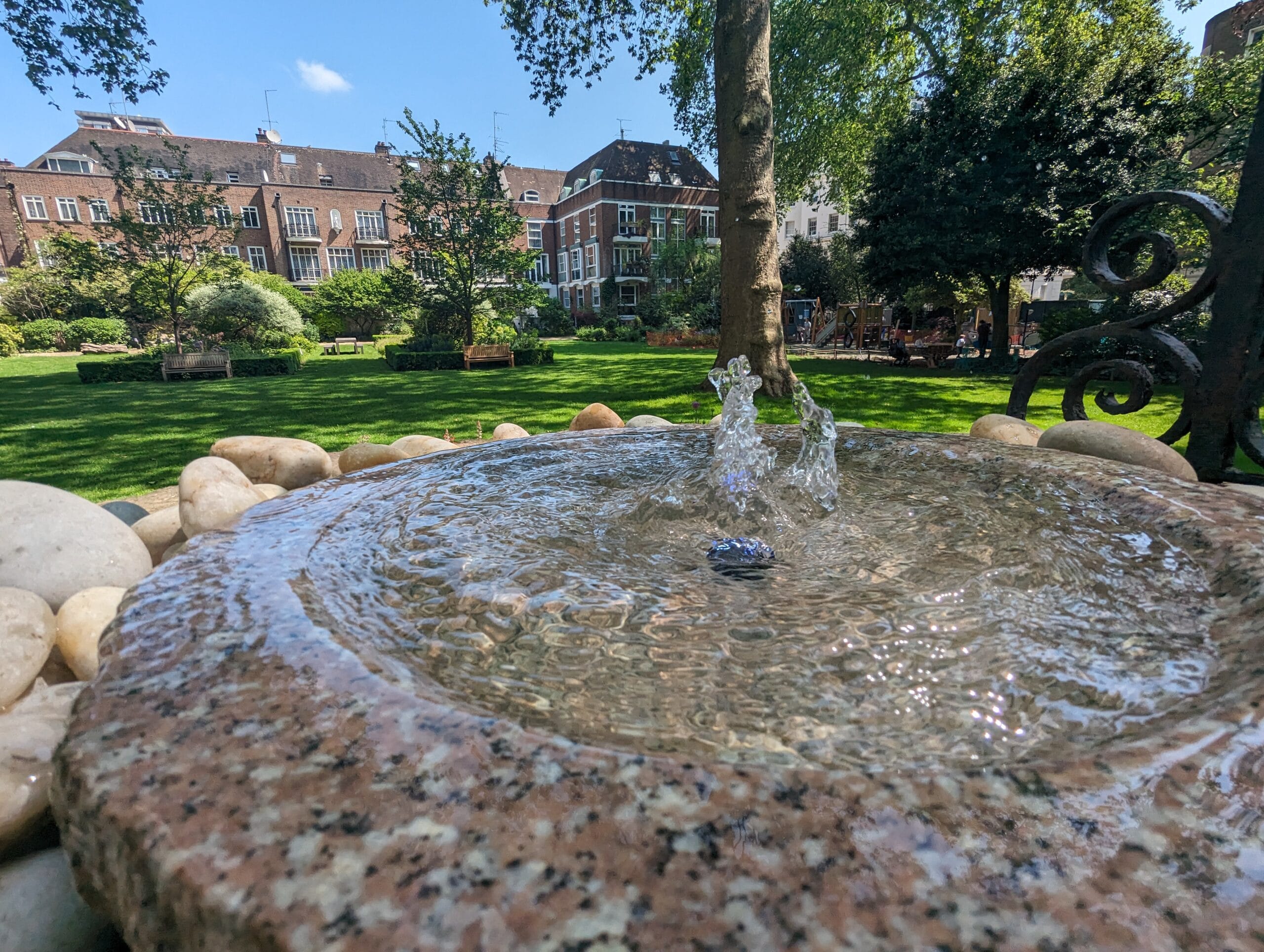
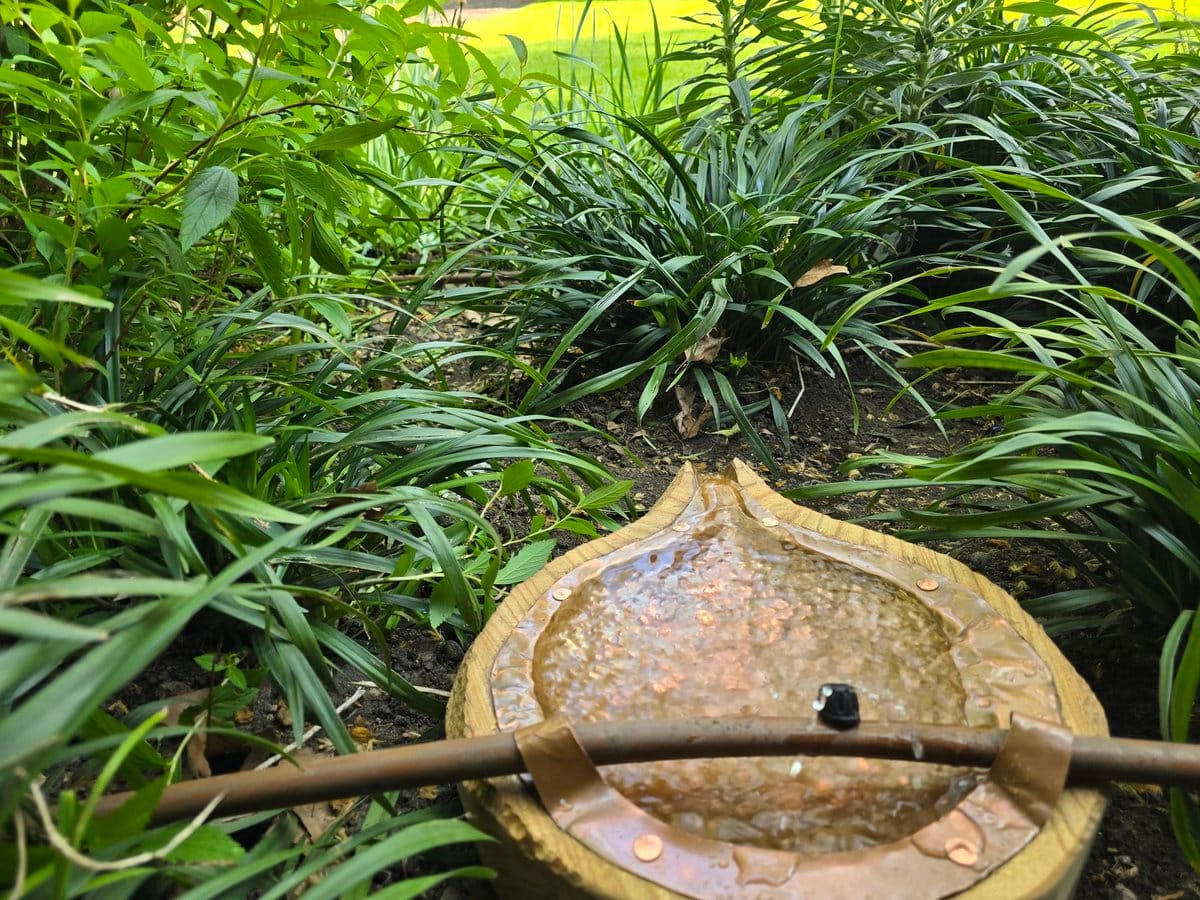
At Gloucester Square, we’ve incorporated bird baths into the irrigation system so they are periodically flushed and refilled. Several are carved from a felled catalpa tree, lined with copper, and designed with overflow spouts to ensure water does not linger longer than it should.
The result is clean, active water—and birds that actually use it.
There is a persistent notion that reducing watering benefits wildlife. In practice, particularly in London, it tends to do the opposite.
Dry, compacted soil locks away the very things birds rely on—worms, insects, and other invertebrates. Species like robins and blackbirds depend on being able to probe soft ground. Without moisture, that becomes impossible.
Targeted irrigation:
In an urban environment, where soils are often compacted and fast-draining, small amounts of water can have an outsized impact.
A recently watered patch of ground is, to a bird, far more interesting than a perfectly dry one.
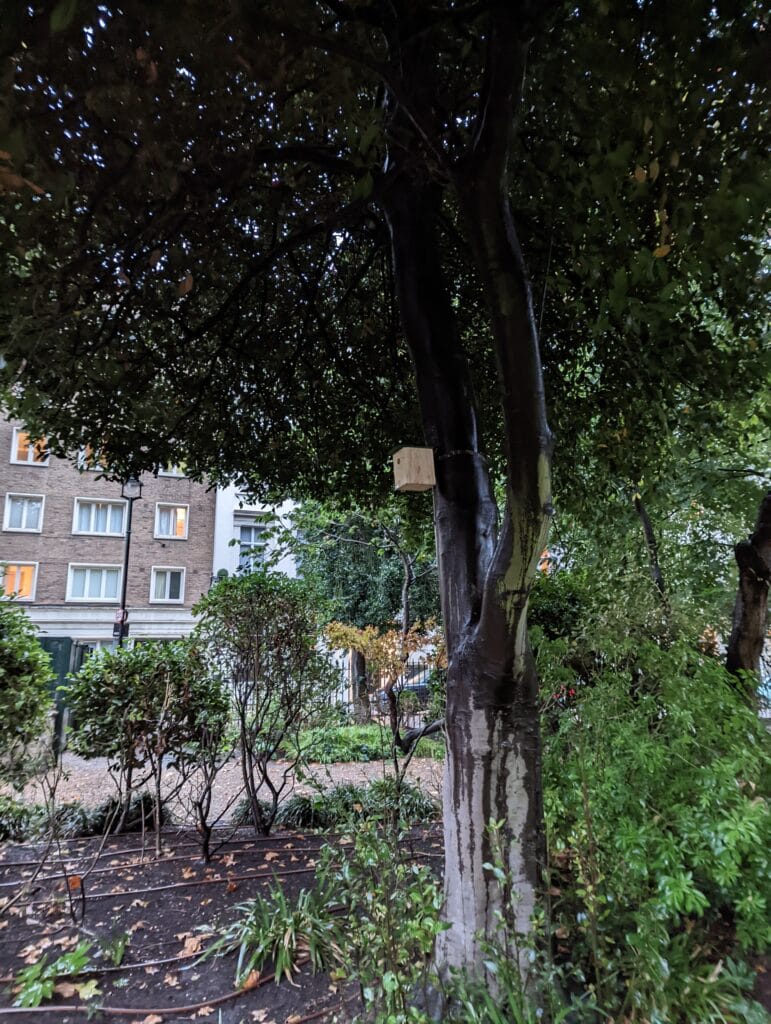
Installing bird boxes is straightforward. Installing them well is less so.
Height is important—generally 2–4 metres for most species—to reduce disturbance and predation. Orientation matters too: north to east-facing aspects are preferable, avoiding overheating and prevailing winds.
Boxes should be near cover, but not buried within it. Birds need both protection and a clear approach. Spacing is also key—roughly 10–15 metres between boxes of the same type to avoid territorial disputes.
Different species have different preferences. Tits favour enclosed boxes; robins and wrens prefer open-fronted designs placed lower and more discreetly. Finches, for their part, tend not to use boxes at all.
A brief note on fixing: while public parks may appear to attach boxes directly to trees, private installations are often more closely scrutinised. Where necessary, strapping systems are preferable—provided they are checked periodically to avoid causing harm.
And, as ever, your local Tree Protection Officer will have a view.

As with most things, success lies in the mundane details.
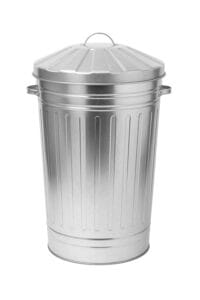
Seed is most economical in bulk, but must be stored in genuinely vermin-proof containers—metal bins being the only consistently respected option. Plastic, in our experience, is treated as more of a suggestion.
Cleaning needs to be efficient in order to be effective. Contract Gardeners do not have time to soap, rinse, and dry feeders every week. Wildlife-safe sanitising wipes provide a quick, practical (a lot better than nothing) solution to weekly cleaning desisres.
A modest stock of maintenance supplies is sensible, and any system should be designed with longevity in mind. A perfect setup that cannot be maintained will quickly become an imperfect one.
We don’t intend to advise on the finer points of feeder selection or the relative merits of various boat hooks.
Where we can assist is in the infrastructure: designing water features that genuinely support wildlife, installing bird boxes safely and appropriately, and integrating irrigation systems that enhance habitat rather than diminish it.
Because supporting birds in London isn’t about grand gestures. It’s about getting the fundamentals right—and doing so consistently enough that the birds decide it’s worth their while to stay.
Previous Story
Next Story
In A Walk in the Woods, Bill Bryson lists many entirely reasonable apprehensions about hiking the Appalachian Trail, among...
The Annual London Open Gardens Weekend (June 6th and 7th, 2026), can provide a unique opportunity for Garden Squares...
There is a widely held belief—usually expressed with a knowing nod and a mug of tea—that gardening is one...